Moussaka and Cab Franc

Tags

, , ,

Not the prettiest dish ever, but one of the most delicious!

Moussaka. Not a word that exactly rolls off your tongue easily. But, oh boy is this moussaka delicious–I mean really, really delicious.

We had dinner with friends on Saturday, Michael and Tara, who cooked some spectacular Turkish food, including a moussaka with potatoes layered between the meat rather than eggplant.

It was super tasty and paired so well with the Napa Cabs that were opened I couldn’t resist making my own version on Sunday. This is the result. Try it—unless you grew up eating Moussaka your mother made from a recipe passed down from her Greek grandmother…

Moussaka

Anything cooked in a casserole dish is worthy of a Sunday dinner or a crowd, and this Moussaka is no exception. The rich combination of flavorful lamb, creamy potatoes and slightly tangy sauce however is not your ordinary casserole and the breadcrumbs on top take it to another dimension. No crowd? No worry. This dish tastes better the next day, so whether you have leftovers or need a make-ahead dish, this Moussaka is perfect for those occasions.

What to drink: We were lucky to enjoy a bottle of Sequoia Grove Cabernet Franc with this dish. It was like a little smorgasbord of robust and hearty flavors on a Sunday night.

Serves 4 to 6

4 cups milk
3 medium (about 1 1/2 pounds total) potatoes
4 tablespoons olive oil
1 pound ground lamb
1 yellow onion, diced
3 cloves garlic, chopped
1/2 cup canned ground or crushed tomatoes
1/2 chicken stock or red wine
2 tablespoons chopped fresh parsley
1 tablespoon dried oregano
1/4 teaspoon ground Aleppo or cayenne pepper
2 teaspoon kosher salt
1 teaspoon freshly ground pepper
3 tablespoons butter
2 tablespoons flour
4 ounces goat cheese
1/2 cup high-quality bread crumbs

Preheat the oven to 350°F.

Pour the milk into a large saucepan.

Peel the potatoes. Use a mandolin or vegetable peeler to cut into 1/4-inch-thick slices. Add the potatoes to the pot of milk as you cut them.

When all of the potatoes are sliced, push down into the milk and bring the milk to a boil on low heat. Remove from the heat and drain over a bowl to reserve the milk. Rinse out the pan.

Heat 2 tablespoons of the olive oil over medium heat in a large skillet. Add the lamb, onion and garlic. Cook until the onion is tender, about 5 minutes. Stir in the tomatoes and increase the heat a little to medium-high. Cook until nearly dry, about 5 minutes. Add the stock, bring to a boil and cook for 3 minutes. Stir in the oregano, parsley, Aleppo pepper and half of the salt and half of the pepper. Set aside.

Melt the butter in the saucepan from the potatoes. Stir in the flour and cook for 1 minute. Add the reserved and remaining milk. Cook over medium-low heat until it begins to thicken, about 5 minutes, stirring frequently. Stir in the goat cheese and remove from the heat. Stir in the other half of the salt and pepper.

Spread the remaining 2 tablespoons olive oil in the bottom of a casserole dish (about 13X9X2-inch). Arrange one-third of the potatoes over the oil, starting in the center and overlapping the potatoes just slightly in a circle until the entire bottom of the baking sheet is covered with a single layer. Spread one-third of the meat mixture over the potatoes. Spoon one-third of the béchamel over the meat. Repeat the layers twice.

Melt the remaining 1 tablespoon butter in a small skillet over medium heat. Add the breadcrumbs and cook until lightly toasted, about 2 minutes. Sprinkle over the top of the casserole and bake until the potatoes are tender, 60-70 minutes. Let sit for 10 to 15 minutes to set. Serve warm.

Brussels Sprouts from Cook

Tags

, ,

Roasted, sauteed and sprinkled with Parm, these Brussel sprouts are like candy.

In fall, the minute the temperatures begin to drop I begin to think about Brussels sprouts. Now I know a lot of people have an aversion to the little cabbage-like vegetables, but I’m a big fan.

I do have some criteria though, including never eating one until there’s been at least one hard frost to ensure they’ve been exposed to the cold that converts the starch to sugar. And, also roasting is paramount to caramelize those sugars.

Around here, we eat them after they’ve been roasted at a high temp, drizzled with olive oil and sprinkled with sea salt.

At Cook in St. Helena, they are roasted, sautéed in butter and topped with parmesan. To say they are delicious is to say cream has a little fat—a big understatement.

So, last weekend I set out to recreate Cook’s version at home. I didn’t use as much butter, but they were pretty darn good.

Roasted Brussels Sprouts a la Cook

Serves 4

1 pound Brussels sprouts, halved
3 tablespoons olive oil
1 teaspoon kosher salt
1/2 teaspoon freshly ground pepper
2 tablespoons butter
1/4 cup shredded parmesan

Preheat the oven to 400°F.

Put the Brussels sprouts in a large bowl, add the olive oil, salt and pepper. Stir to coat the B sprouts evenly. Pour into a baking dish large enough to hold the B sprouts in an almost single layer but not so big that they are spread out. The more condensed space will help steam the B sprouts without browning them. Bake until tender 20-30 minutes depending on the size. (I like to use smaller B sprouts, about the size of ping pong ball.)

Turn on the broiler.

Melt the butter in a large oven-proof skillet over medium-high heat. When it begins to bubble and turn brown around the edges, add the B sprouts and cook, stirring to coat evenly until the B sprouts begin to brown slightly, about 5 minutes. Sprinkle with the cheese, put under the broiler to melt, about 1 minutes and serve.

Catalan Spinach and Albariño

Tags

, ,

Spinach, almonds and dried apricots make a tasty trio -- perfect for keeping the resolution to eat healthier.

2012 is here and it’s a big one. I have a milestone birthday at the end of it and have begun a bucket list of new things to try and places to go.

While I didn’t make any real resolutions, I have a couple of goals for improving myself. Not things I can work on at the gym per se, but ways that I want to be happier about myself.

But of course if I could “move” around a few pounds that would make me happy too. One of the ways I hope to do that is with an item on my list: learning to skateboard.

Another is to continue a trend we started last year, which involved eating less meat, more veggies and a lot more beans on our plates. And, nuts became a much more common ingredient in our meals and as a snack.

Lucky for me, our first book of 2012 is “Almonds in the Savory Kitchen,” by Kate Washington. It is a collection of 10 tasty and pretty healthy recipes that all include almonds as a main ingredient.

I photographed it, which required cooking all of the recipes. It was like a mini-cooking class. Kate’s recipes were thorough and easy to follow, but there were several dishes I hadn’t made before.

When I read the headnote for the spinach recipe below, I thought Kate’s note was a lot of hype. And then I tried the spinach. I couldn’t stop eating it and quickly began to call it by a different name, Crack.

If you made a resolution to eat healthier this recipe will help you stay on track. Otherwise it’s just a totally delicious plate of spinach you’ll have trouble putting down after the first bite.

We’ll launch Kate’s book mid-month. If you’d like to win a free copy, sign up for our mailing list here.

Catalan Spinach with Slivered Almonds and Dried Apricots

This flavorful Spanish dish of sautéed spinach is great as part of a tapas spread or as a side dish for fish or paprika-dusted roasted chicken. That said I’ve been known to eat a whole batch of this spinach for dinner when there’s not much else in the house. It’s quick, savory and healthy.

What to drink: Albariño. This racy white wine variety from Spain offers fresh fruity flavors and enough zing to counterbalance the richness of the spinach and almonds.

Time: 10 minutes
Makes: 2 to 4 side-dish servings

1/4 cup slivered almonds
2 tablespoons olive oil
2 cloves garlic, slivered
6 dried apricot halves, cut into thin strips
3/4-pound (about 8 cups) baby spinach leaves
About 1/2 teaspoon kosher salt
Freshly ground pepper

1. In a large skillet over medium-high heat, stir the almonds until lightly toasted, 3 to 4 minutes.

2. Add the oil to the pan. When the oil is hot, stir in the garlic and apricots; cook, stirring, until garlic is beginning to brown, about 2 minutes.

3. Add the spinach a few handfuls at a time; sprinkle with 1/2 teaspoon salt and pepper to taste, and add more spinach as the leaves cook down. Stir until all the spinach is wilted, 2 to 3 minutes. Add more salt and pepper to taste. Serve hot or at room temperature.

A Sparkling Cocktail

Tags

, ,

Part cosmo, part Champagne cocktail, this is a tasty bevvie perfect for using up any leftover bubbly.

Are you ready to ring in the new year?

What are you looking forward to in 2012?

Me? I can’t wait for Mad Men to return.

I’ll be toasting that and all the other great things to come with this cocktail this weekend (I’m thinking Sunday morning–a little hair of the dog…).

With a wink towards my favorite show, I like to serve this cocktail in vintage Champagne glasses. I have a pretty extensive collection, vintage and non, and keep adding to it with estate sale finds. (Just look at the details on the glass–even the bottom is beautiful.)

I recommend using a low-price sparkling wine for this drink. It should still be good quality, but the flavors will mingle with the other ingredients so a less expensive bottling will suffice. And, of course if you have any leftovers from the night before use those.

Bottoms Up! And Happy New Year!

2 ounces cranberry juice
1/2 ounce fresh lemon juice
1/2 ounce Cointreau
Sparkling wine, about 1/4 cup
Lemon or lime slices for garnish

Fill a shaker with ice. Add the cranberry juice, lemon juice and Cointreau. Shake well. Pour into a chilled Champagne glass. Fill the glass with the sparkling wine and add a slice of lemon or lime.

Traditions, Ranger Cookies and Moscato

Tags

, ,

If you only bake one cookie this season, make it a Ranger Cookie. They are chock-full of goodies.

I’m sure I’m not the only one who feels nostalgic this time of year. Not only for Christmases past but for family gatherings and traditions of all kinds that seem to have been lost.

So it’s no surpise, when I read Katie Arnold-Ratliff’s story, The Rise and Fall of the Recipe Card on Slate, I began to think about the lost tradition of hand-writing recipes and what my family recipe box means to me.

My recipe box—a small tin box with flowers painted on the rounded top—belonged to my mother, so it’s only one generation of history, but it chronicles my life in the kitchen. It has recipes from when I was small, my parents were still married and my mother cooked things like Chicken Kiev for dinner parties.

There are recipes for “See’s Fudge” and toffee from a Christmas spent with my mother’s then-husband’s family after my parents divorced. Those recipes are completely different in look and worldliness than my own family’s recipes.

A few fancier cards are from the sisters and mothers of men I dated and for dishes like hot artichoke dip and Brie en croute. These capture a moment in culinary history as much as my own.

Overall, the box is filled with an eclectic collection, but all are significant to me. Equally significant is the one recipe card missing from the box. It was for banana nut bread.

I taught my niece Lauren to bake using that recipe. Year after year, as she grew up she baked that recipe until the card was filthy from splatters and batter on Lauren’s small hands, but in good way. Finally, I had to give the card to her. Not only because of the recipe it detailed but because by then I knew it was a piece of family history for her to keep–her grandmother’s handwriting on a well-used recipe card.

This summer as I began scouring estate sales for vintage kitchenware, I came across a recipe box filled with recipes. I picked it up and brought it home enamored by the history of someone else’s life in the kitchen. A new obsession was born.

So far, I’ve only found two recipe boxes, but both are doozies. The first belonged to a woman who was moving. It contains a small selection of recipes, mostly cookies and most of which have a name written on the top right corner as though the recipe originated with Joan, Edith or Betty Sue. Tucked between the cookie cards are recipes clipped from the newspaper as well. Given the treasure trove of fancy glassware and kitchen items at this sale, it was easy for me to imagine this woman hosting ladies’ lunches where the women gossiped and later called each other on the phone for the recipe of the dish they enjoyed.

The second box I bought from a woman who had just moved from the family ranch in the hills to a small house in town that had belonged to her mother. The recipe box had been hers. She wasn’t planning on cooking from it anymore or keeping it. Her grown children were there when I purchased it so there would be no surprises later.

There is something about buying vintage kitchenware or collecting recipe boxes that is not just about the aesthetics or rarity of the pieces, I actually feel like I’m preserving a little bit of American history. As Katie’s article pointed out, everything and everyone is going digital. And, that includes me. Jack and I have just started a new-media publishing company. So collecting recipe boxes feels like keeping the scales balanced—a handwritten recipe here, an ecookbook there.

The recipe below is from my recipe box. It is written in my handwriting, which means my grandmother dictated it to me when I was old enough to bake and be interested in what it meant to her to bake her son’s favorite cookie. I hope you’ll bake it, write it on to a recipe card and then tuck it into your family’s recipe box. Happy holidays!

Ranger Cookies

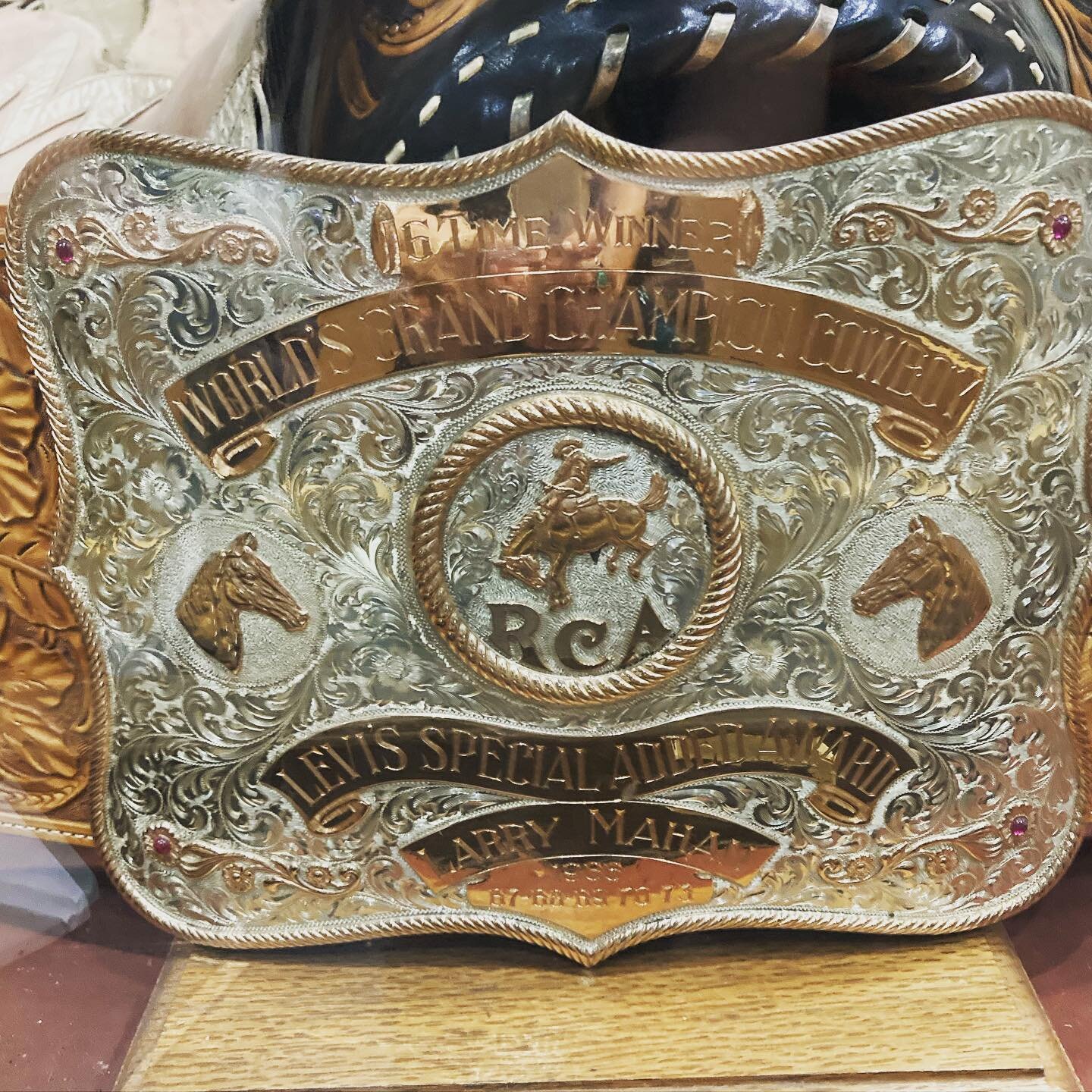
My grandmother never baked cookies. She made cakes from scratch, but her baking started and stopped there. Except for Ranger Cookies, which she made for my Uncle Larry because they were his favorite. She also never wrote down recipes. Everything was in her head. When I wanted a recipe, she’d tell me what she did and I’d write it down. My recipe writing skills weren’t so developed then so when I pulled out this recipe it was just a list of ingredients and the oven temperature. Ironically, this and pumpkin pie are the only baking recipes I have from my grandmother, neither of which do I think she ever made for me. Nonetheless, this season I decided to bake these cookies after finding the recipe card in my recipe box.

Yields: 48 cookies

1 cup butter, room temperature
1 cup granulated sugar
1 cup brown sugar
2 eggs
1 teaspoon vanilla
2 cups all-purpose flour (or whole wheat flour)
1 teaspoon baking soda
1 teaspoon kosher salt
2 cups crispy rice cereal
2 cups old-fashioned oats
1 cup chocolate chips
1 cup shredded coconut
1 cup chopped walnuts

Preheat the oven to 350°F. Line two baking sheets with parchment paper.

Mix the butter and sugars together an electric mixing bowl until light and fluffy. With the motor running on medium-low, add the eggs one at a time. Add the vanilla. Stop the mixer, scrape down the sides, mix on medium-low until thoroughly mixed.

Remove the bowl from the mixer and stir in the flour, baking soda and salt using a sturdy wooden spoon. Add the cereal, oats, chocolate chips, coconut and walnuts. Stir until all of the ingredients are blended well.

Drop the dough by spoonful onto the baking sheets and bake 10 to 12 minutes. The color will remain pale and is not an indication of doneness. The cookies may also seem a little loose when first removed from the oven. That’s okay. Do not bake any longer or the cookies will become hard and dry.

What to drink: A spritzy Moscato will add a bit of festivity if you serve these cookies for dessert. Try Ceretto Moscato d’Asti would be a terrific choice.

Hidden behind the glass is my family's recipe box on the right. On the left is a box I bought.

Follow

Get every new post delivered to your Inbox.

Join 180 other followers